What to Look for When Buying Wholesale Kids’ Clothing, Shoes and Hats
1. The Strategic Imperative of Quality Sourcing in Children’s Retail
The global children’s wear, footwear, hats, and lifestyle accessory market has experienced a profound structural transformation over the past decade. Driven by shifting demographic patterns, rising disposable incomes among millennial and generation z parents, and an increased cultural focus on juvenile styling, the children’s retail sector has transformed from a secondary retail category into a powerhouse of commercial growth. Contemporary parents view clothing, shoes, hats, toys, and lifestyle accessories not merely as functional daily necessities, but as vital extensions of their children’s emerging personalities and familial aesthetic values.
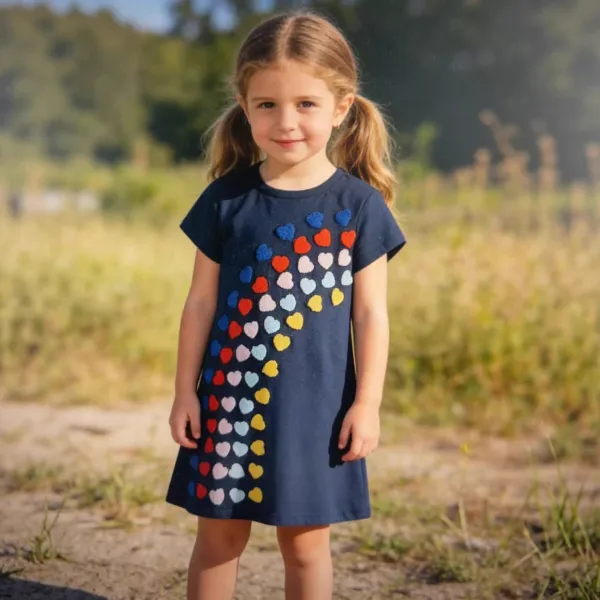
For boutique owners, e-commerce entrepreneurs, and established department store buyers, capitalizing on this surging demand requires much more than a broad inventory catalog; it demands a highly strategic approach to evaluating wholesale suppliers, inspecting product quality, and understanding what to look for when procuring merchandise. Sourcing subpar products, failing to navigate minimum order quantities (MOQs), or ignoring shifting seasonal aesthetics can compress profit margins and lead to deadstock. Conversely, identifying and stocking top-performing product categories ensures robust inventory turnover, high average order values (AOV), and enduring brand loyalty among discerning parents.
This comprehensive guide serves as your definitive roadmap to navigating the complex landscape of wholesale children’s retail sourcing. We will explore the critical factors to evaluate when purchasing wholesale clothing, shoes, and hats, while breaking down procurement across apparel staples, matching sets, infant wear, dresses, accessories, bags, and entertainment goods to elevate your retail business profitability.
2. Deconstructing the Modern Parent Consumer and Quality Benchmarks
To successfully curate a children's retail catalog, buyers must first understand the psychology and purchasing behaviors of today’s parents. Unlike traditional shoppers who focused entirely on low-cost durability, modern parents are highly discerning, quality-driven, and value-oriented. When evaluating wholesale inventory, they look for specific product attributes before making a purchase decision:
Fabric Safety and Comfort: Children have sensitive skin, making non-toxic, hypoallergenic, and breathable textiles (such as organic cotton, bamboo blends, and soft knits) non-negotiable purchasing criteria.
Durability and Easy Care: Because children grow rapidly and subject their clothing, shoes, and hats to rigorous daily wear and frequent laundering, items must withstand heavy usage without losing shape or color.
Aesthetic Appeal and Trend Alignment: Parents increasingly seek miniature versions of adult streetwear, minimalist neutrals, and playful, vibrant prints that look exceptional in digital family portraits and social media sharing.
To meet these multifaceted demands without straining cash flow, successful retailers deploy a balanced inventory strategy: leveraging stable, high-turnover wholesale staples to secure baseline profitability while incorporating trend-driven seasonal collections as revenue multipliers.
3. Evaluating Core Apparel Categories: Building a High-Performance Foundation
Establishing a thriving children’s retail collection begins with mastering the core apparel categories that form the backbone of a juvenile wardrobe. Retailers must curate assortments that balance everyday wearability with seasonal versatility to maximize inventory turnover and cash flow.
When building a comprehensive children's catalog, partnering with reliable sources for
Infant Wear and Playful Rompers
The infant wear segment represents one of the most resilient and recession-proof sectors in retail, driven by constant birth rates and rapid infant growth cycles. Sourcing high-quality infant apparel requires a meticulous eye for snap-closure durability, stretch recovery, and gentle neckline constructions. Incorporating diverse
Coordinated Outfit Sets
Coordinated outfits have transformed modern children's fashion, driven by the permanent shift toward effortless, ready-to-wear styling that eliminates the friction of matching separate tops and bottoms. Offering curated
Girls' Special Occasion and Casual Dresses
The dresses segment remains a high-margin cornerstone for children's boutiques, spanning casual everyday cotton sundresses to elaborate party, holiday, and flower girl gowns. Sourcing diverse
4. Assessing Footwear, Hats, Accessories, and School Gear
While apparel drives primary foot traffic and wardrobe curation, footwear, hats, accessories, room decor, and school gear represent high-margin profit pools that complete the consumer's lifestyle vision and significantly boost overall business revenue.
Footwear, Hats, and Lifestyle Accessories
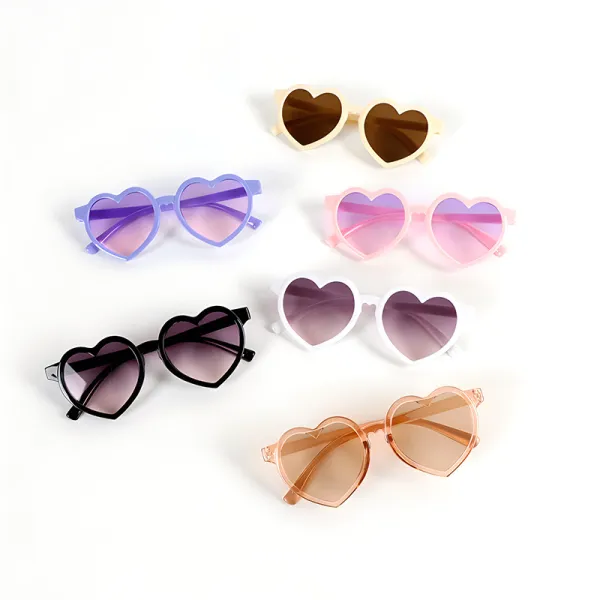
Children's footwear requires exceptional arch support, flexible soles, and durable exterior construction to handle playground activities and rapid growth. Similarly, children's hats and accessories demand careful inspection of brim structures, stitching integrity, and adjustable sizing closures. Incorporating versatile
Everyday Bags and Travel Backpacks
Bags designed for children have evolved from simple utility items into essential fashion statements for daycare, family travel, and weekend outings. Incorporating versatile
Back-to-School Bookbags and Scholastic Gear
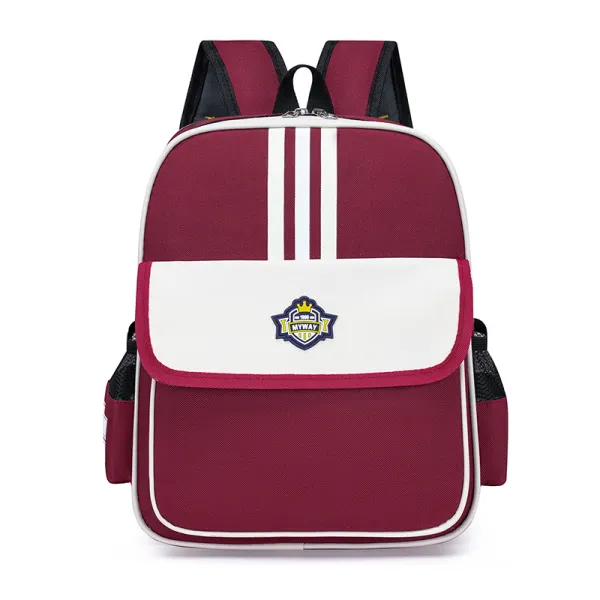
The back-to-school shopping season represents an explosive revenue window for children's retailers. Sourcing durable, high-capacity
5. Captivating Young Minds: Wholesale Toys and Entertainment Goods
Integrating toys and hobbies into a children's apparel or specialty retail store is one of the most effective ways to boost impulse purchases and elevate average transaction values. Parents and gift-givers frequently look for curated toy selections that complement clothing lines.
Sourcing Toys in Bulk
By investing in reliable
6. Key Inspection Criteria: What to Look for When Buying Wholesale
When purchasing wholesale children’s clothing, shoes, and hats, buyers must implement a rigorous evaluation framework. Examining physical samples before committing to large-scale inventory orders protects your brand reputation and minimizes return rates.
Stitching and Seam Integrity
Children are active, meaning garment seams experience high levels of mechanical stress. Inspect wholesale samples for reinforced stitching, double-needle hems, and secure bar-tacking at high-stress points like pocket corners and armscyes. Frayed threads or loose tension indicate poor manufacturing quality control.
Hardware and Embellishment Safety
Buttons, snaps, zippers, bows, and decorative sequins must be firmly attached to prevent choking hazards. For infant wear and toddler clothing, pull-tests on snaps and buttons are mandatory. Ensure that zippers operate smoothly without catching on inner fabric linings.
Sizing Consistency and Grading
Inconsistent sizing is a leading cause of customer dissatisfaction and high product return rates. Work with wholesale suppliers who adhere to standardized age-and-height grading charts, and order sample size runs across all targeted age brackets to verify proper fit before launching a full collection.
7. Supply Chain Execution, Quality Control, and Financial Discipline
Building a profitable children’s retail business requires rigorous operational discipline and financial management. Sourcing high-margin products is only half the battle; how you manage inventory turnover, safety compliance, and cash flow determines ultimate financial success.
Regulatory Compliance and Safety Standards
Children's products are subject to stringent international safety regulations regarding small parts choking hazards, lead content, flammability standards, and non-toxic dyes. When vetting wholesale suppliers, always demand certified testing documentation (such as CPSIA compliance reports in the United States or EN71 standards in Europe) to protect your brand from catastrophic liabilities and product recalls.
Vetting Suppliers and Evaluating Capabilities
When searching for wholesale manufacturing partners, buyers must look beyond initial catalog appeal. Always request physical pre-production samples to evaluate stitch density, fabric softness, shoe sole flexibility, hat construction integrity, and overall durability. Verify that potential suppliers enforce strict ethical labor standards and transparent pricing models.
Lead Time Management and Phased Inventory Strategy
Children's apparel, footwear, hats, and seasonal gear operate on strict calendar timelines, from spring transitions to winter holiday rushes. Sourcing professionals must factor in production lead times, raw material procurement phases, and international shipping durations. To mitigate financial risk, retailers should adopt a phased inventory strategy: start with small-batch spot wholesale orders to test market response before committing to large-scale seasonal production runs. This approach prevents deadstock and keeps working capital fluid.
8. Building a Resilient, Future-Proof Children’s Retail Enterprise
Knowing what to look for when buying wholesale kids’ clothing, shoes, and hats is a deliberate process that combines macro-trend awareness, strict safety compliance, digital platform navigation, and disciplined quality inspection. By partnering with trusted B2B ecosystems, balancing ready-to-wear apparel staples with high-margin footwear, hats, accessories, school bags, and educational toys, retail entrepreneurs can build a resilient, highly profitable enterprise. Embrace strategic supplier vetting, prioritize uncompromised safety standards, and position your brand for sustainable, long-term growth in the competitive global children's retail marketplace.


Comments
Post a Comment